



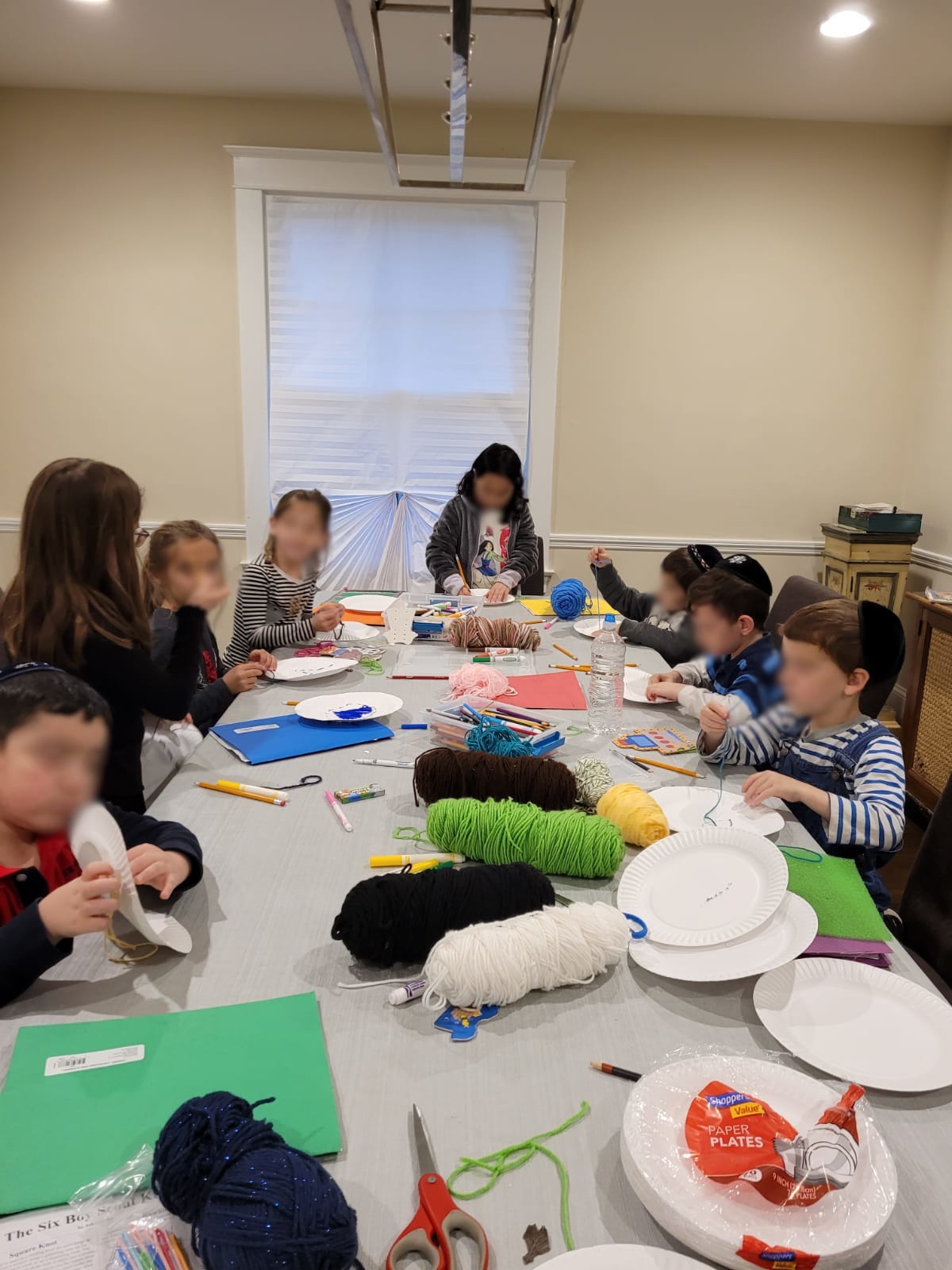
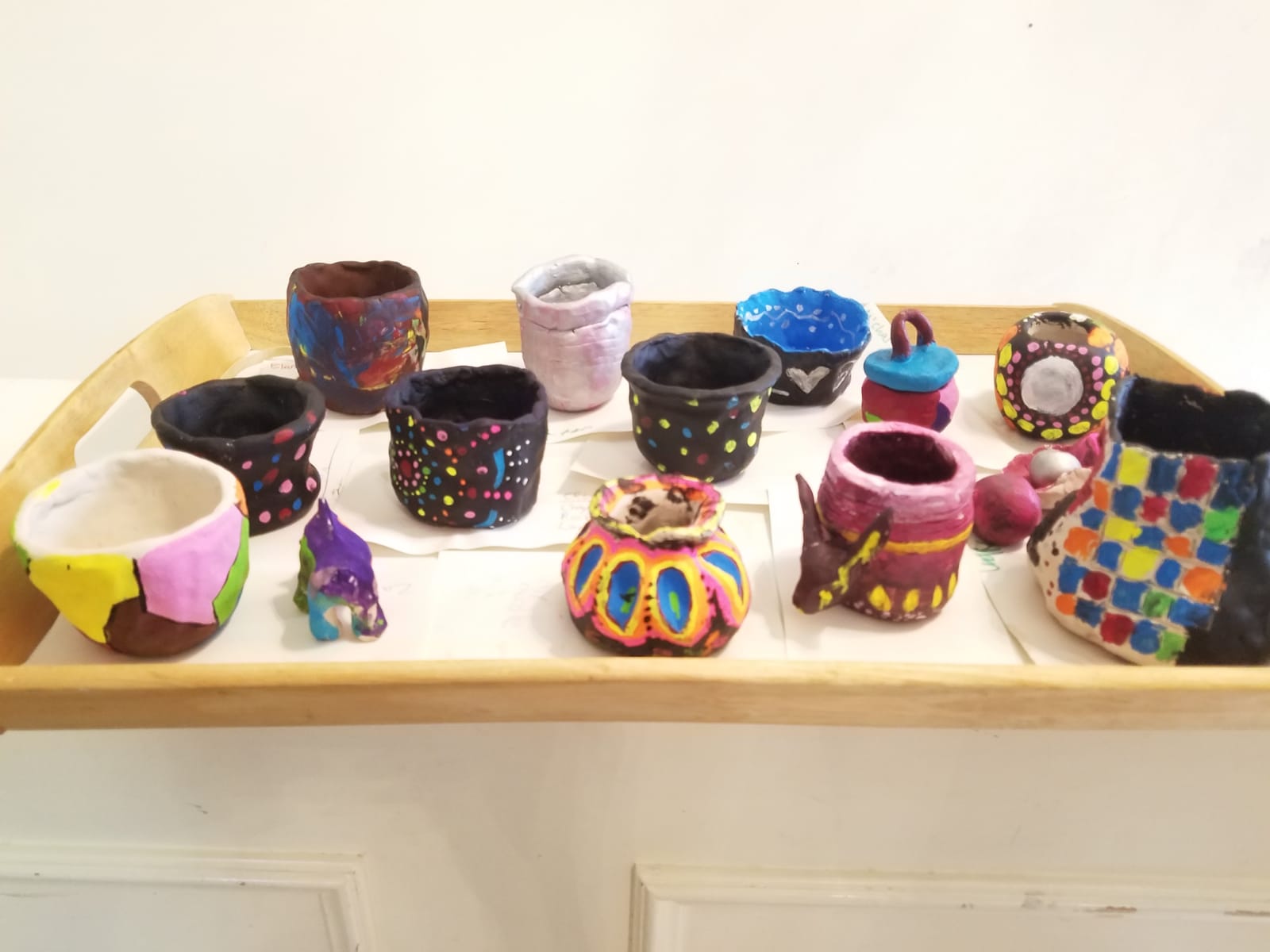

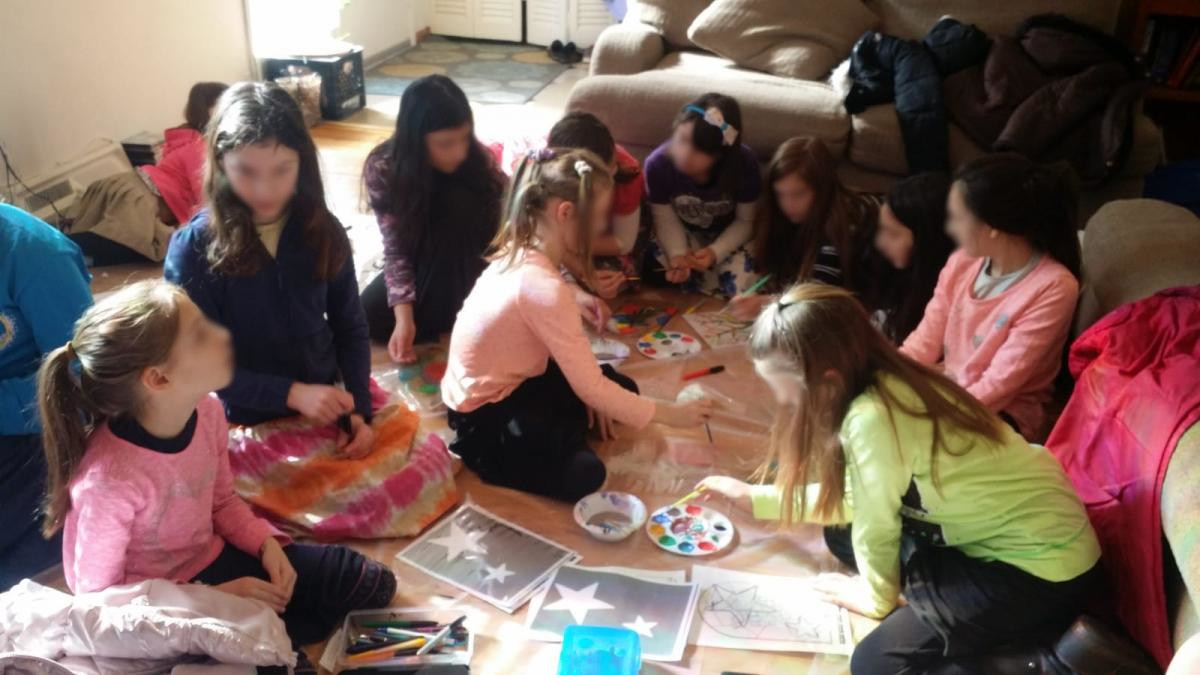
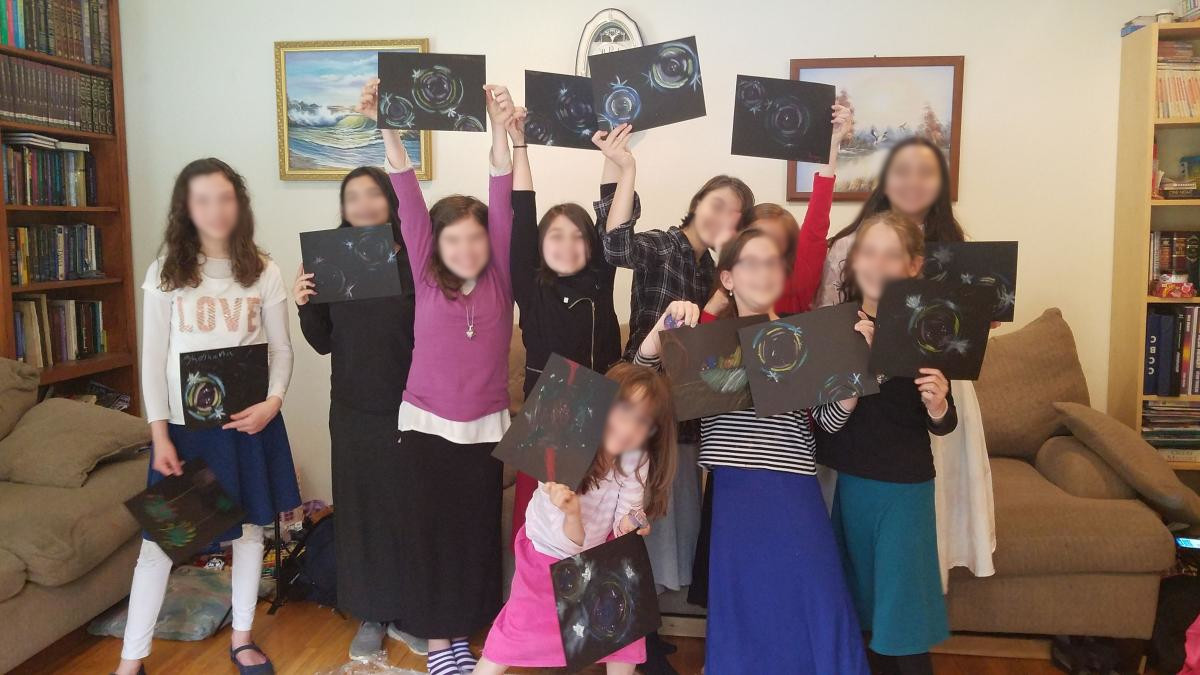
• Art Class
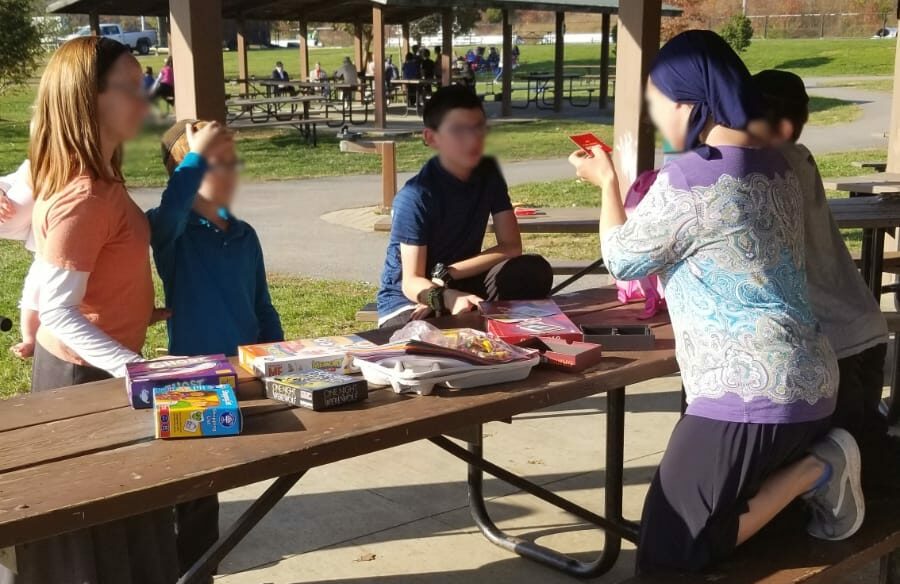
  • Europe Fair
  • Europe Fair
  • Europe Fair
  • Europe Fair
  • Art Class
  • Europe Fair
  • Weekly Meetup
  • Quilting Class
  • Art Class
  • Europe Fair
  • 39 Melachos Class
  • Art Class
  • Europe Fair Lunch
  • Europe Fair Lunch
  • Europe Fair
  • Art Class
  • Boys Sports
  • Europe Fair
  • Plumbing Workshop

Homeschooling In A Nutshell Webinar

                         
What’s new? 
  • End of the year review time is here. Stay tuned for updates.
  • We have a new LHUG email:  lhug.umbrella@gmail.com
  •  You can now add events to our calendar using the form under the calendar HERE 
  • To post to our J-Lift email group, email to j-lift@googlegroups.com

Mission Statement

History
Lubavitch Homeschool Umbrella Group was originally formed in 1997 but really gained momentum in 2015 when the Baltimore Jewish homeschooling community mobilized to have an organized group with events and classes available to our kids. We’ve seen a boom in homeschoolers in our community and realized that we needed a social network for parents and kids alike. In these pandemic times, may Hashem help us, we’ve seen another surge of new homeschoolers, who are looking for alternatives to the mainstream schooling practices.

Philosophy
Our philosophy is that

  • Children should learn at their own pace while maximizing their freedom to grow and express their individual needs
  • Minimize all the red tape that comes with homeschooling.
  • Create a collaborative environment for parents to learn from each other on anything homeschooling.

Join LHUG

If you’d like to get access to the homeschooling directory of families who are currently part of our homeschooling community, use the “contact us” form. 

We highly encourage everyone’s involvement by welcoming ideas and suggestions on how the group should be run, mentoring newcomers, new classes and events, help in organizing them, and anything homeschooling related. 

To get involved:

FAQs

A. Assess Child’s best learning methods (i.e. physical workbooks, experimenting, reading, videos, etc)

B. Take note of your child’s interests and passions and build them into their plan. It all counts toward learning.

C. Assess Your Monitoring Needs and your budget – how hands off or hands on can you be; how often will you check work or child’s progress; do you want to have an all-in-one curriculum that notifies you of child’s completed work and progress automatically w/ emails; do you want to ‘walk with your child in learning’ – explore museums, historic sites and nature together?

D. Put together a sketch of a plan that will address state requirements for the required subject areas (English, Math, Social Studies, Science, Art, Music, Health and Physical Education). The older your child is, the more helpful and important it will be to include them in the planning. They will be more motivated to work in a program that they have helped choose.

E. Decide if you will report your child’s work directly to your city or county educational jurisdiction or if you will join an umbrella group for legal oversight, reporting and compliance for your homeschool.

F. Explore curriculum options, ask for input from experienced homeschoolers and put together your plan.

G. Create your “Homeschool Space,” Get your curriculum, materials, and memberships, pick a date to start and help your child get started for at least the first week or two. Like learning to ride a bicycle, support and guidance in the early stages goes a long way towards your child’s success in homeschooling.


For Privacy Policy click HERE